
Shop Management
Shop layout, shelf volume, register timing, cleanliness and Shop Lot B expansion planning for a TCG Card Shop Simulator store that keeps selling.
Introduction
Shop management is about turning floor space into throughput. Every shelf has a limited volume, every checkout counter carries a flat daily fee, and every customer paths from the door to the product they came for and then to a register, which means a layout that looks tidy can still lose sales if a shopper cannot reach the unit they wanted. The day-to-day loop is restocking, pricing, cleaning and expanding in the right order, and getting that order wrong is how shops end up with a warehouse full of backstock and an empty sales floor. This hub covers layout planning around customer paths, matching shelf capacity to product volume, when a second register actually pays for itself, why hygiene affects both shoppers and the players paying to sit at your tables, and how to judge the Shop Lot B expansion on capacity rather than on appearance.
Shop Systems At A Glance
| System | What It Does | What To Watch |
|---|---|---|
| Shelf volume | Sets how many units of a product can sit on the floor | Big boxed product will not fit small shelves |
| Customer path | Shoppers walk to the product they want, then to a register | A blocked route loses the sale entirely |
| Checkout counters | Drain queues and keep paying customers in the store | Each counter adds a flat daily fee |
| Cleanliness | Keeps shoppers in the store and protects the review score | Also suppresses play table income when neglected |
| Shop Lot B | Raises the customer ceiling with a second sales floor | Adds permanent per-minute electricity cost |
| Shop level | Gates furniture, staff and product lines | Rises through sales, so throughput feeds unlocks |
Floor Systems
Shelf Volume
The physical limit on what you can sell
Customer Path
Door to shelf to register
Checkout Counters
Queue control with a daily price tag
Cleanliness
The system that quietly touches two income streams
Shop Lot B
The second sales floor
Shop Level
The unlock currency behind almost every system
Core Mechanics
The management loop is capacity, throughput and hygiene. Capacity is physical: every shelf and display holds a limited volume, and a unit that does not fit on a shelf cannot be sold. Throughput is the customer path. Shoppers enter, walk to the product they came for, and then look for a register, so a layout that groups product by type and keeps a clear route from the door to the till converts far better than one that merely looks tidy. Registers are a throughput decision too, because each counter adds a fixed daily fee, so the second till should arrive when the first queue genuinely backs up rather than as soon as it is affordable. Hygiene sits underneath both: grime drives shoppers out before they reach the counter and also suppresses the review score that table income depends on, which is why auto sprayers pay for themselves earlier than they look like they will. Expansion follows the same logic, and the second sales floor should be bought for capacity you can actually fill with stock.
Advantages
Good management compounds. A layout that respects customer paths sells the same stock with fewer abandoned trips, which raises revenue without raising costs. Shelves matched to product volume mean the floor space you are paying for is actually being used, and a restocking routine that keeps the shelves full means customers who arrive looking for something specific find it. Registers are the clearest example of a decision that pays for itself when timed correctly: adding a counter removes the queue that loses sales, but only when the queue is genuinely costing you more than the daily fee. Hygiene quietly improves two income streams at once, because cleanliness keeps shoppers in the store and protects the review score that play table earnings are calculated from, which makes auto sprayers one of the highest-return purchases available early. Expansion, handled in the same order, raises your customer ceiling only when you can afford the stock to serve it, so growth stays funded by throughput rather than by borrowing against it.
Challenges
The management systems are simple individually, but they compete for the same budget, which is where most shops go wrong. Shelves, registers, cleaning equipment and expansion all want the same cash, and spending on the wrong one first is how a shop ends up with more floor space than it can stock or a second register that runs at a loss. Expansion is the sharpest example, because a larger floor raises your standing electricity cost permanently while your revenue only rises if you can afford the inventory to fill it, so the second sales area is a commitment rather than an upgrade. Cleaning is easy to neglect precisely because it has no visible price tag, and its cost is hidden in two places at once: customers who leave early and the review score that play table earnings are calculated from. There is also a documentation gap around the management formulas themselves, since the customer ceiling and carrying-capacity figures come from a community page that describes itself as a work in progress and shows traces of being reverse-engineered from the game's files.
Frequently Asked Questions
What is the best shop layout?+
When should I add a second checkout counter?+
Does cleanliness actually matter?+
Quick Tips
Walk your own shop path in your head before you buy anything. Customers enter, head for the shelf holding the product they want, and then look for a register, so anything that blocks either leg of that journey costs sales regardless of how good your prices are. Keeping a clear central route, putting high-turnover product near the door and the till, and resisting the urge to fill every spare tile with decoration is what separates a shop that looks tidy from a shop that actually converts.
Add the second register when the queue costs more than the counter fee, and not before. Each checkout counter charges a flat daily fee whether it is used or not, so a second till installed early is a permanent cost with no return. The signal to watch is customers abandoning the queue or reaching the till too late to buy, and if that is happening regularly at peak hours, the fee is cheaper than the sales you are losing to it.
Install auto sprayers before you feel you need them. Cleanliness affects two separate income streams: grime drives shoppers out of the store before they reach the counter, and it also suppresses the average review score that play table earnings are calculated from. Because the effect on tables is invisible from the shop floor, players often notice the problem only after their table income has been underperforming for a while, which makes the sprayers one of the cheapest insurance purchases available.
Featured
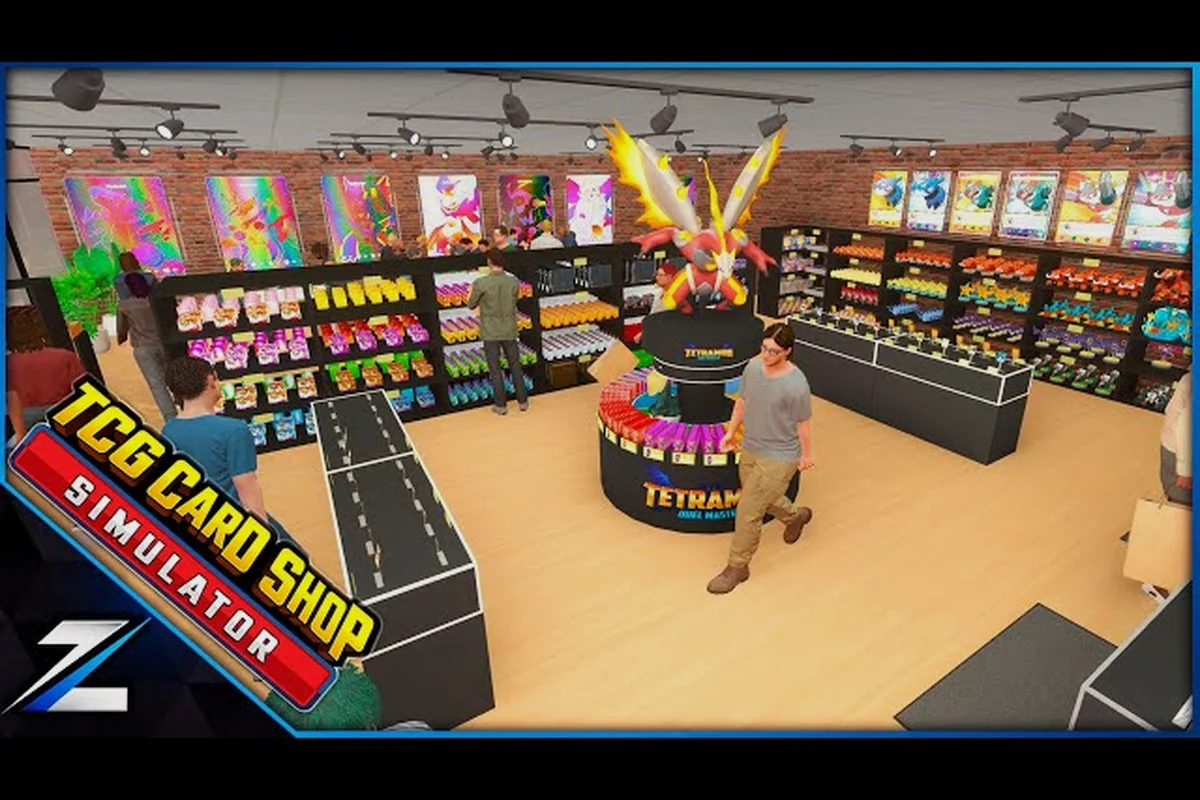
TCG Card Shop Simulator Best Shelves: Display vs Ware
Pick the TCG Card Shop Simulator best shelves for your floor, from ware displays to Stock Order app rotations, and stop wasting space on slow movers.
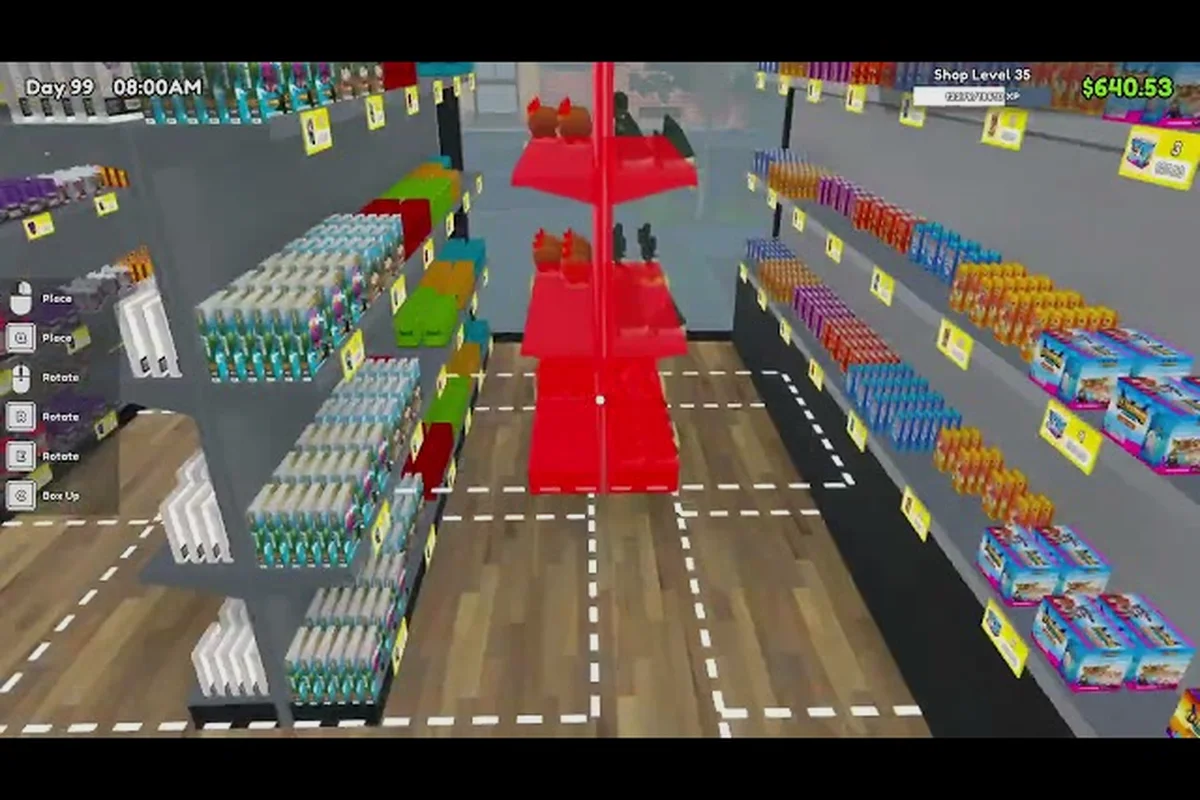
TCG Card Shop Simulator Shop Layout: 28-Customer Plan
Design a TCG Card Shop Simulator shop layout that hits the 28-shopper ceiling, groups product by type, and keeps the register path clear from door to counter.
TCG Card Shop Simulator Second Shop: Reno Bigg & DIY Expansion
Open a TCG Card Shop Simulator second shop with the Reno Bigg app, customize floor plans, and decide whether multi-store revenue beats one maxed-out location.
All Articles
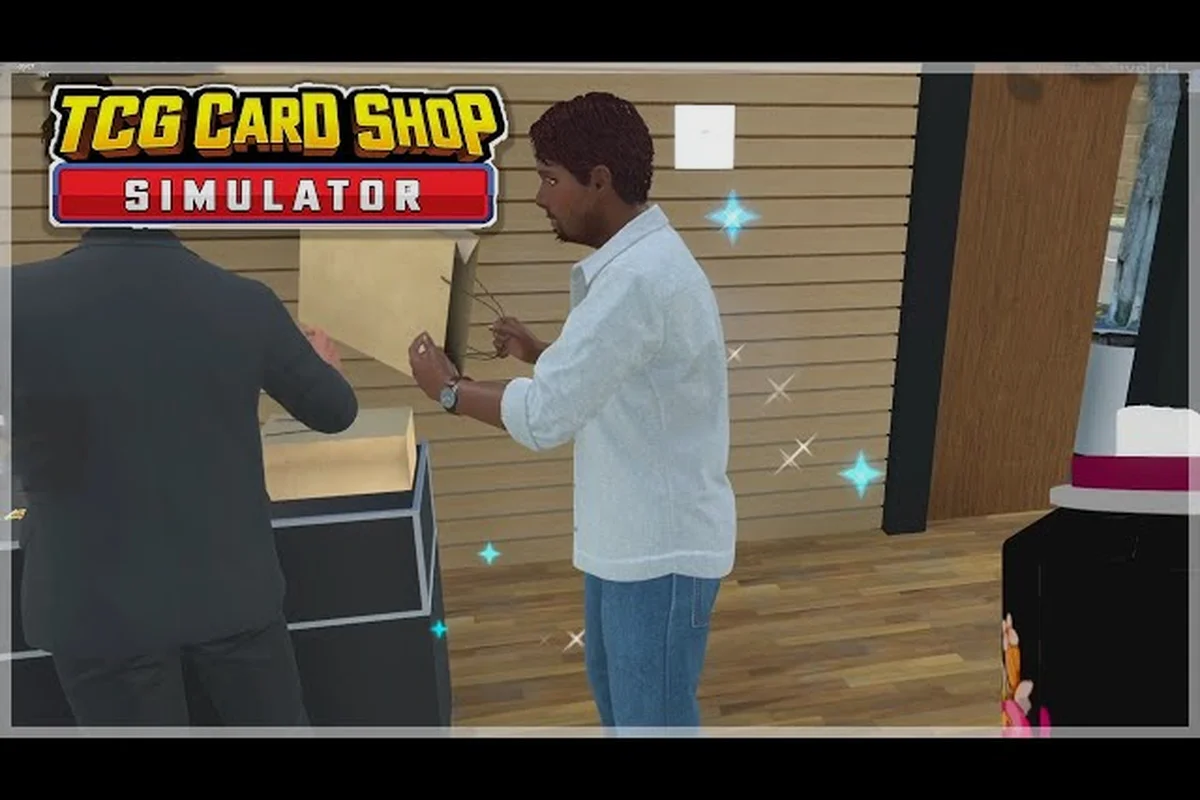
TCG Card Shop Simulator Trash and Mess: Hygiene Guide
Tame the TCG Card Shop Simulator trash and mess cycle, learn how grime drives customers away, and unlock Shop Lot B to keep queues and ratings climbing.
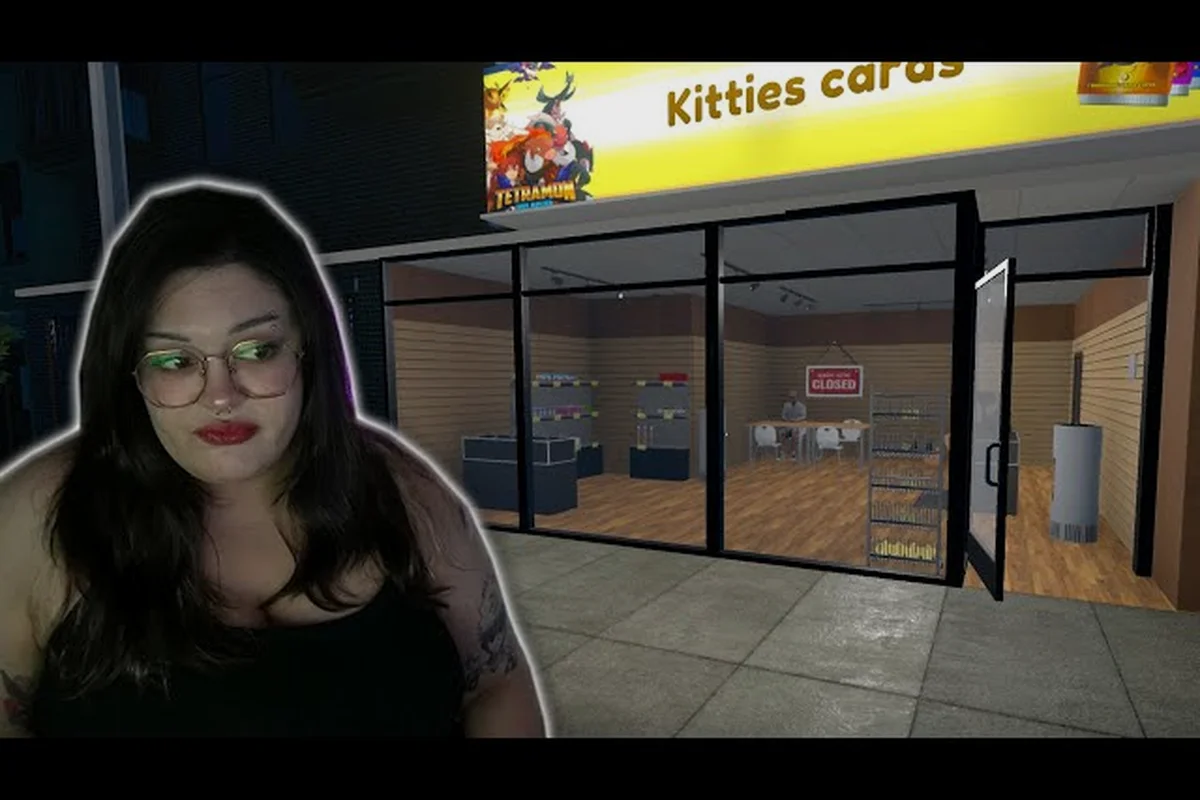
TCG Card Shop Simulator After Hours Sales: Rich Shoppers
Max out your TCG Card Shop Simulator after hours sales with smart pricing, rich-customer targeting, and queue tricks that keep registers ringing all day.
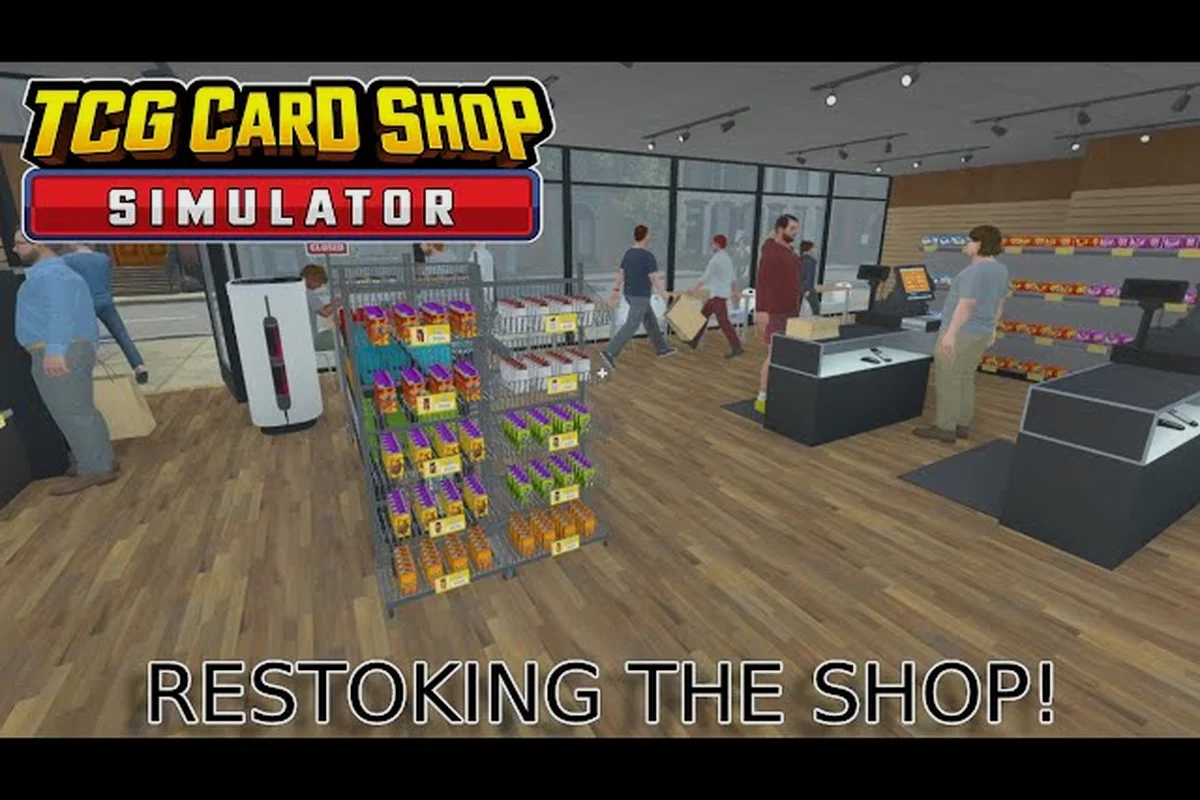
TCG Card Shop Simulator Restocking: Warehouse & Floors
Master TCG Card Shop Simulator restocking with a warehouse rotation, auto-cleaner coverage, and decoration paths that keep dirty floors from driving customers away.
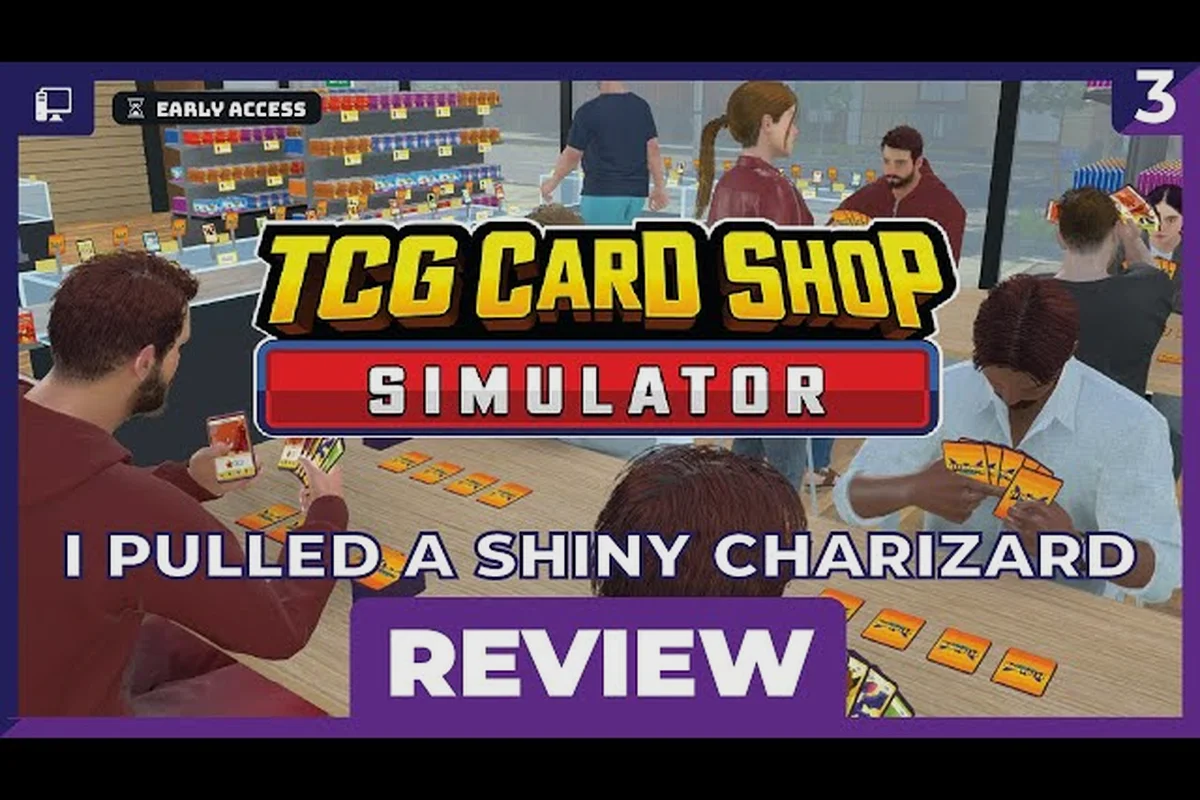
TCG Card Shop Simulator Reviews App: Scores & Trends
Use the TCG Card Shop Simulator reviews app to check your shop score, track trending cards, and stock shelves with the items customers actually want.