
Play Tables
TCG Card Shop Simulator play table guide: every event, its daily cost, which card categories it lifts or depresses, and how review score drives table income.
Introduction
Play tables turn empty floor space into hourly income, and they are the only lever in the game that lets you move your own market. Placing a table lets you pick a sanctioned event, charge a fee and let customers play, and every event does two things at once: it lifts one category of product while dragging another one down. That makes event choice a stock question rather than a flavour question. If your shelves are already stacked with common product, an event that lifts commons converts that stock into a spike; run the same event against racks of rares and you have simply made your own inventory cheaper. This hub covers the named events, their daily costs and which categories each one pushes, how table income scales with your average review score, and the stockpile-then-host pattern that turns a scheduled event into a planned payday.
Play Table Events & Market Effects (community data)
| Event | Daily Cost | Pushes Up | Pushes Down |
|---|---|---|---|
| Standard | Free | One random rarity band | One random rarity band |
| Pauper | Low | Common product | Rare, Epic and Legendary product |
| Fire Cup | Low to moderate | Fire cards | The element Fire beats |
| Water Cup | Low to moderate | Water cards | The element Water beats |
| Vintage Cup | Moderate | First Edition borders | One competing print |
| Golden Star | High | Gold borders | Other border prints |
| EX Battle | High | EX borders | Other border prints |
| Holo Heaven | Highest in the game | Foil cards across the board | Unfoiled equivalents |
Event Planner
Standard
Free, random, and a decent default
Pauper
Cheap to run and lifts common product
Fire Cup
Element event that raises Fire cards
Water Cup
Element event that raises Water cards
Vintage Cup
Raises First Edition borders
Golden Star
Expensive event that lifts Gold borders
EX Battle
Expensive event that lifts EX borders
Holo Heaven
The most expensive event, lifting foils
Core Mechanics
A play table is a piece of furniture you place on the sales floor, and once it is down you use the event management app to choose which event is running there. Each table charges a fee you set, and customers pay that fee to play, which makes the table an hourly income source that does not consume stock. The pricing logic is similar to product pricing but with a gentler curve: community testing suggests roughly an 83 percent play rate at a 10 percent markup and a steep fall beyond about a 40 percent markup, so tables reward modest fees charged to more players rather than premium fees charged to almost nobody. Each event also has a market effect, lifting one category of card and pushing another down, and this is the part that turns the table into a planning tool. Table income scales with your average review score, so cleanliness and reasonable pricing feed directly into how much a table earns, and the more expensive events unlock progressively as you run more matches at your tables.
Advantages
Tables are the best floor-space purchase in the game for one simple reason: they earn without consuming stock. A shelf sells a card once, while a table charges every customer who sits down, and the fee is pure margin once the daily event cost is covered. The pricing curve is also more forgiving than product pricing, so a modest fee produces a high play rate and a steadier income stream than an aggressive fee charged to a handful of players. The market effect is what elevates tables from an income tile to a strategy tool, because you can choose an event that lifts the category already sitting on your shelves and sell into the resulting spike, effectively using the event to raise your own inventory value before you move it. Table income scales with your review score, which rewards the housekeeping and pricing habits you should be keeping anyway, and the event unlocks arrive progressively, so a new table has a clear growth path rather than a single plateau.
Challenges
Tables are strong income but they are not free money. Every named event charges a daily cost, and the events that move the most valuable categories charge the most, so a table running an expensive event at a low fee can lose money every day it operates. Table income also depends on your average review score, which links the most passive income stream in the game to the least passive system, your cleanliness and pricing habits, so neglect in the shop quietly reduces what the tables earn. The market effect cuts both ways. An event lifts one category and depresses another, and if the depressed category is what is sitting on your shelves, you have paid a daily fee to make your own inventory cheaper, which is a worse outcome than not running an event at all. The event list is also the clearest example of thin documentation in the game: the community page describing the twelve events is the only detailed source available, it is community-maintained rather than official, and the unlock thresholds attached to the later events are the kind of numbers a patch can change without notice.
Frequently Asked Questions
How do play tables make money?+
Which play table event should I run?+
Why is my table earning so little?+
Quick Tips
Set the table fee modestly and let volume do the work. The fee curve is gentler than the product pricing curve but it still falls away once you push too far, and because the fee is charged per session rather than per item, a lower fee that fills the table usually beats a premium fee that empties it. Aim for the range where most arriving players sit down, and treat the table as a steady income stream rather than a single high-value sale.
Pick the event that matches the stock already on your shelves. Each event lifts one category and depresses another, so the right question is not which event is strongest in the abstract but which category you are holding in volume. Selling into an event-driven spike you planned for turns inventory you already paid for into a higher-value sale, while running the wrong event simply makes your own stock cheaper while you pay a daily fee for the privilege.
Protect your review score if you care about table income. Earnings scale with your average review score, which is driven by cleanliness and by pricing customers consider fair, so the most passive income stream in the game is actually tethered to your least passive habits. Keeping the floor clean and refusing to over-price everyday product is not just good shop management here, it is directly increasing the hourly return on every table you own.
Featured
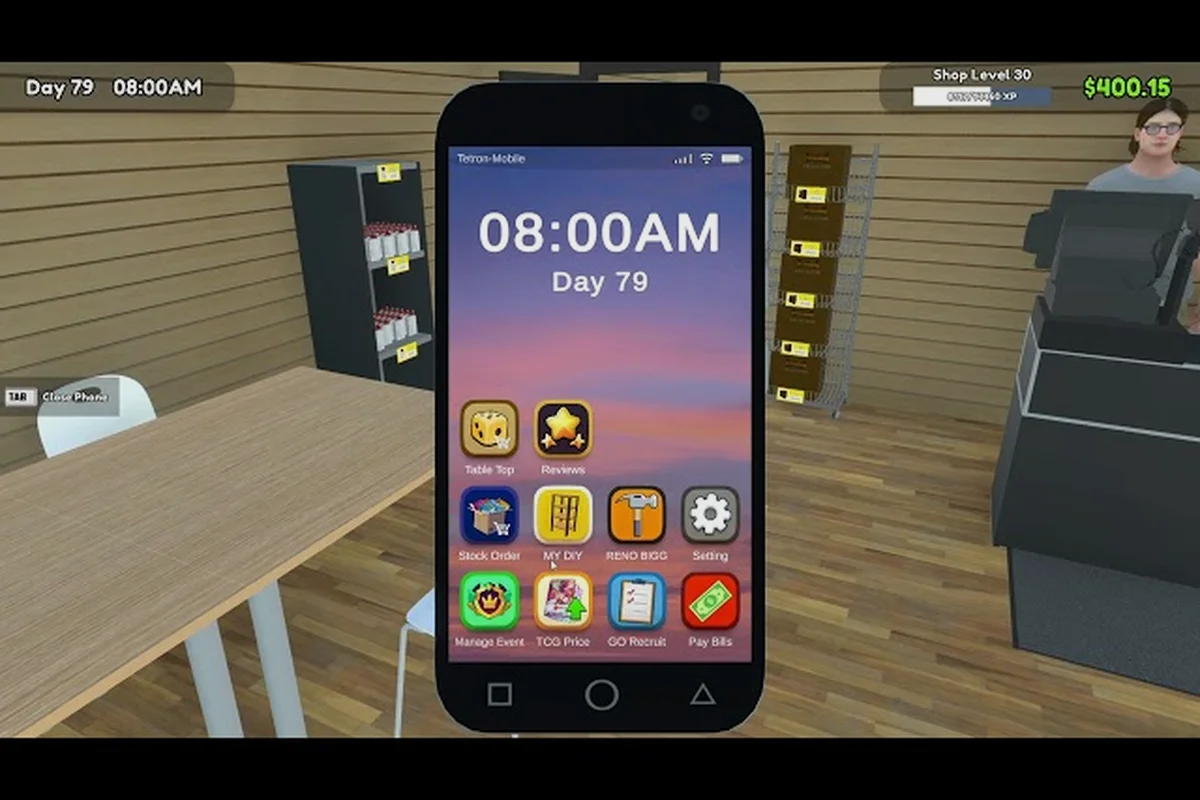
TCG Card Shop Simulator Play Tables: 12 Event Formats
Set up TCG Card Shop Simulator play tables to turn dead floor space into steady income, compare twelve event formats, and price a table that keeps players seated.
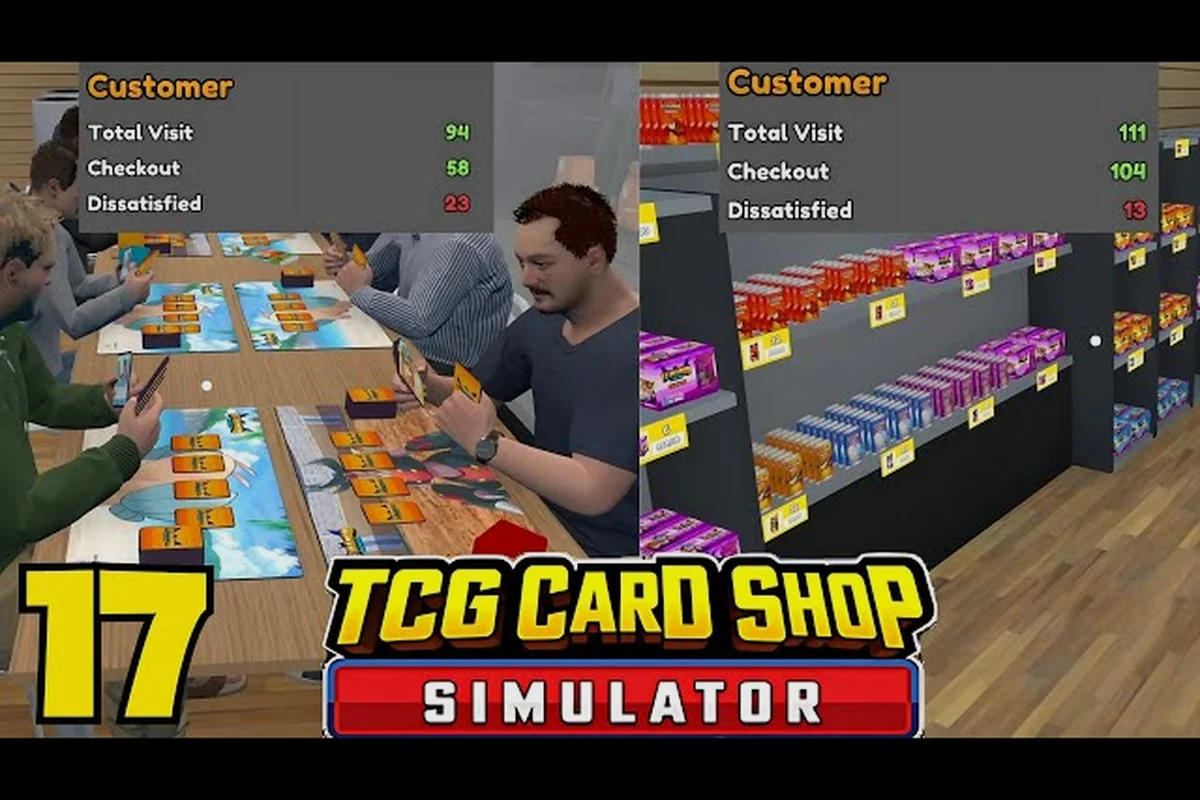
TCG Card Shop Simulator Table Profit: Sell-High Spikes
Stack TCG Card Shop Simulator table profit by timing event price manipulation, riding market spikes, and hosting formats that push rare cards to peak sell values.
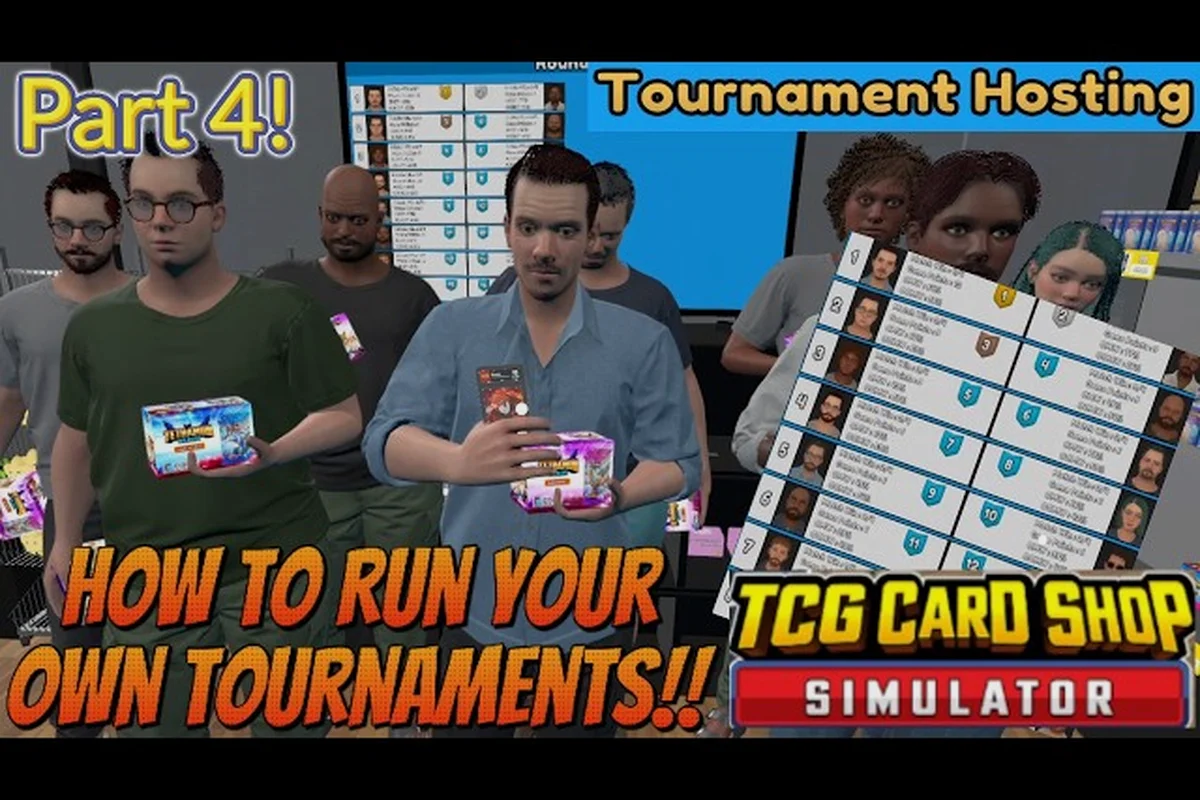
TCG Card Shop Simulator Standard Event: Free Plays
Host the TCG Card Shop Simulator standard event for free daily plays, learn how its random rarity swing works, and pair it with element cups for steady table income.
All Articles
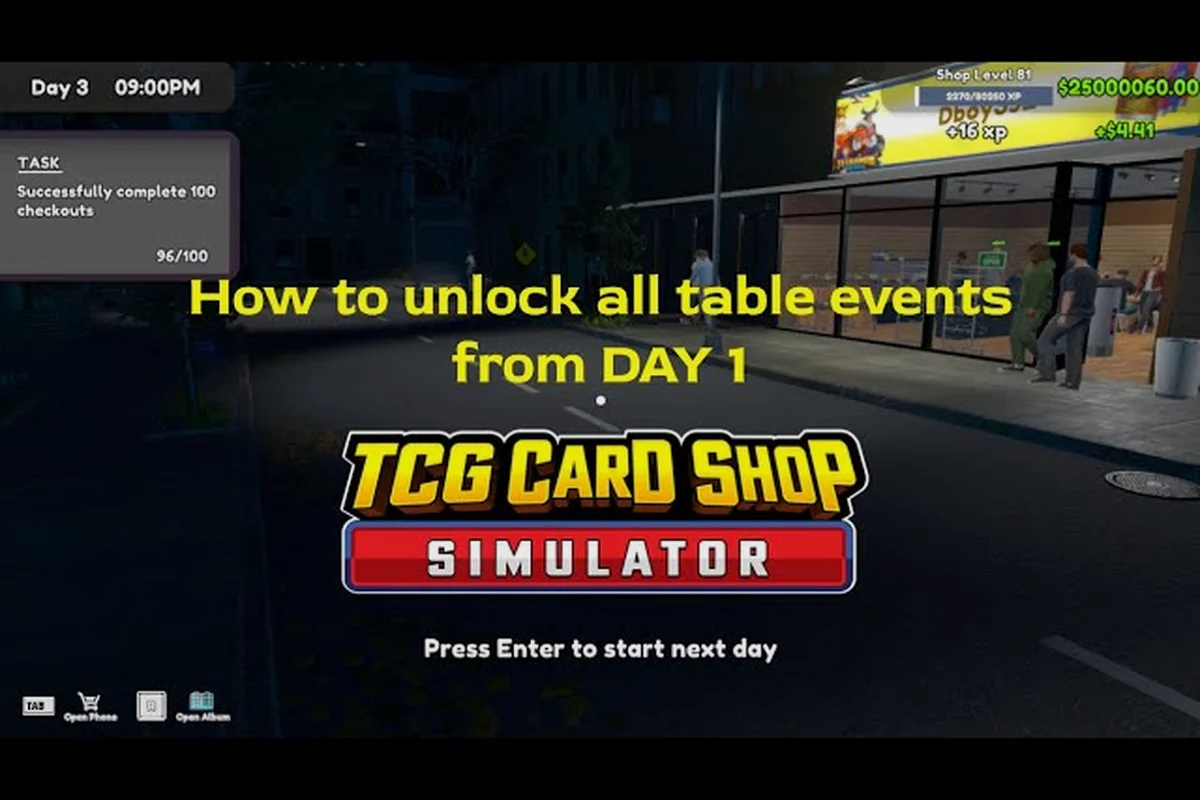
TCG Card Shop Simulator Event Plays Required: Math
Count TCG Card Shop Simulator event plays required per format, choose the right table count for your floor, and avoid the rental-fee death spiral.
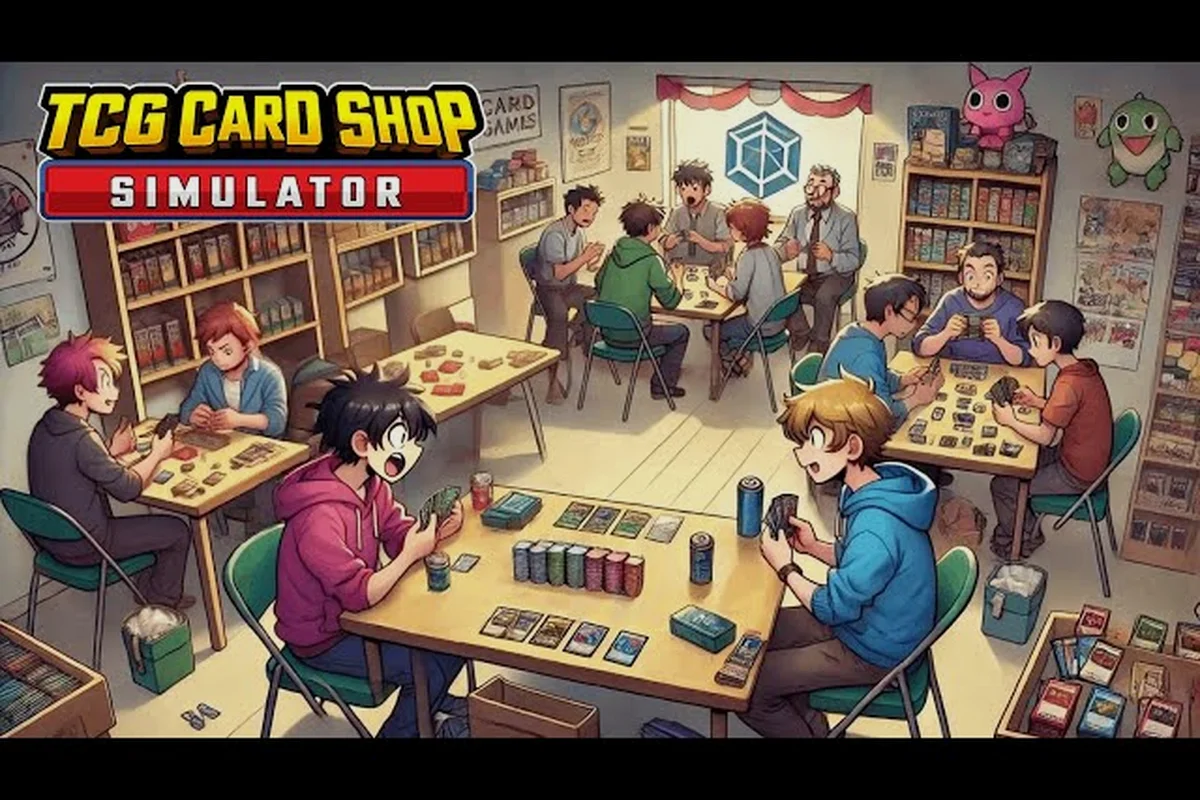
TCG Card Shop Simulator Silver Legacy Event
Unlock the TCG Card Shop Simulator silver legacy event between cheap cups and priciest late-game formats, and weigh it against Holo Heaven and Golden Star profit.
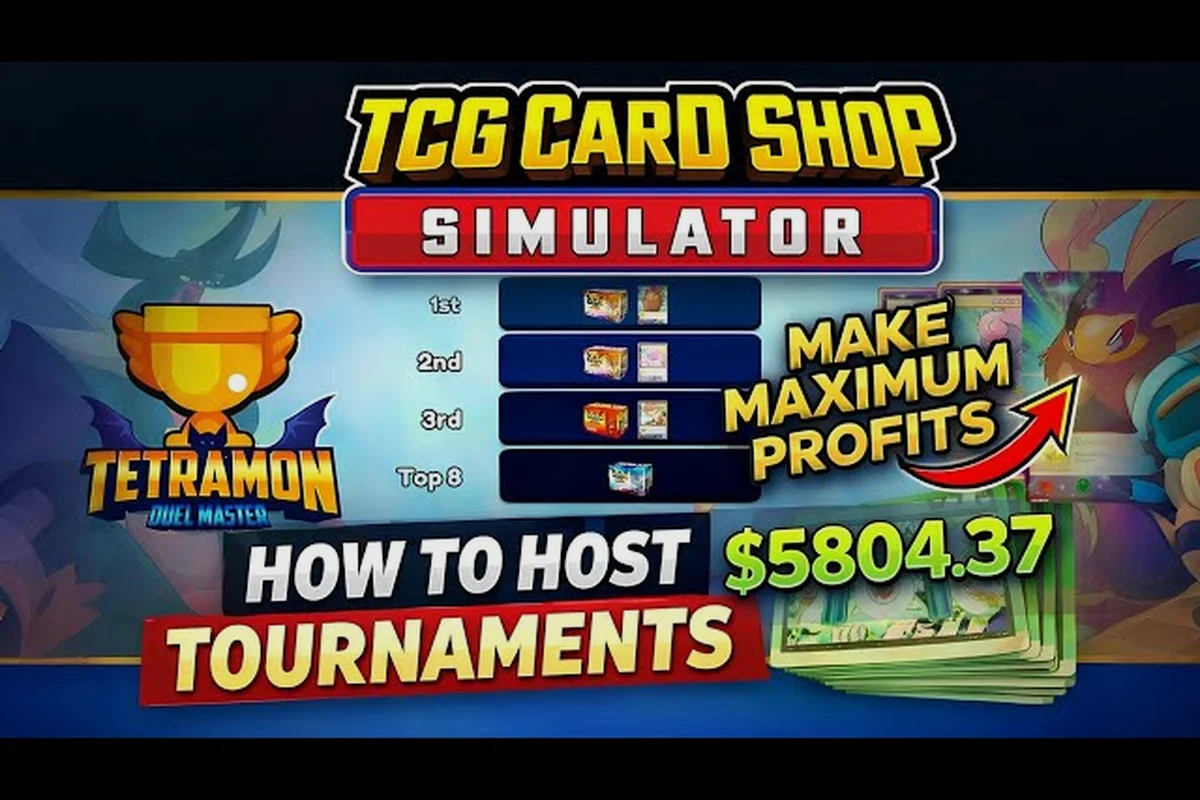
TCG Card Shop Simulator Tournament Hosting: XP
Run TCG Card Shop Simulator tournament hosting for fast experience, learn which formats lift your review score, and stack event rewards without burning through cash.
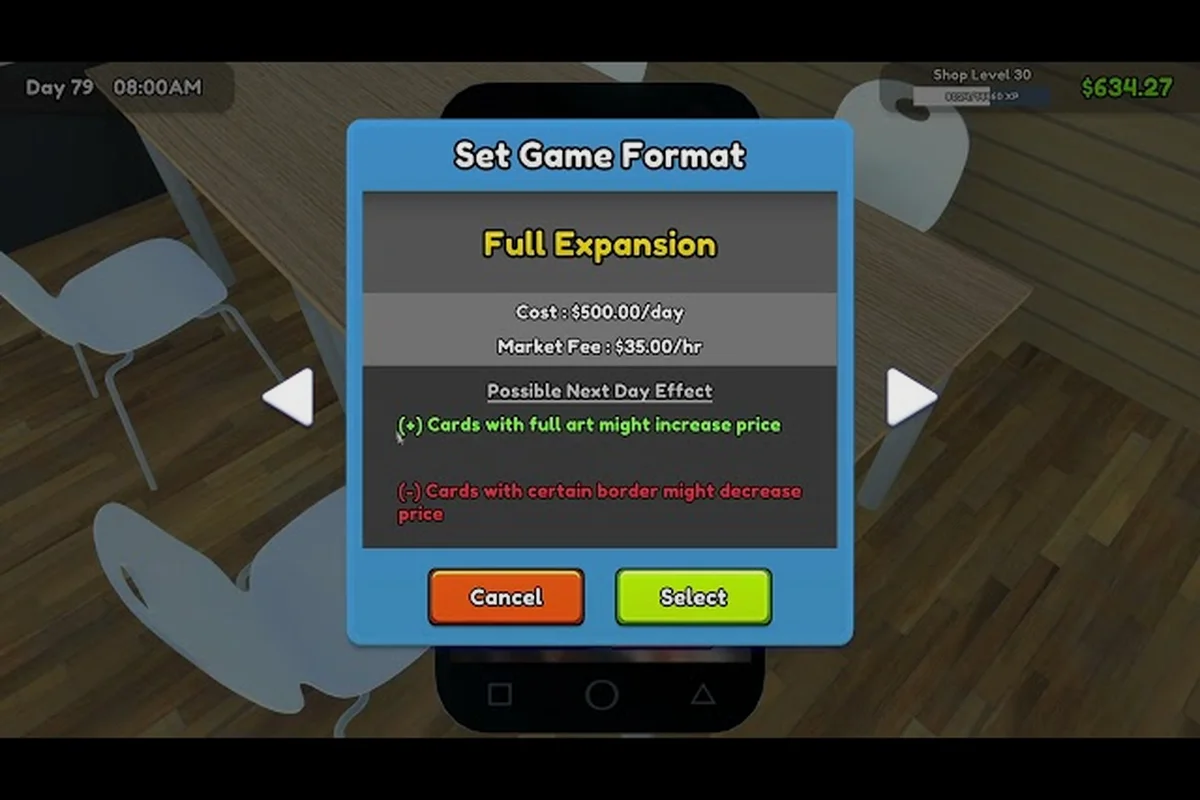
TCG Card Shop Simulator Game Fee: Table Pricing Guide
Set the right TCG Card Shop Simulator game fee so table pricing matches cleanliness ratings, keeps players seated, and unlocks reliable after-hours register income.